
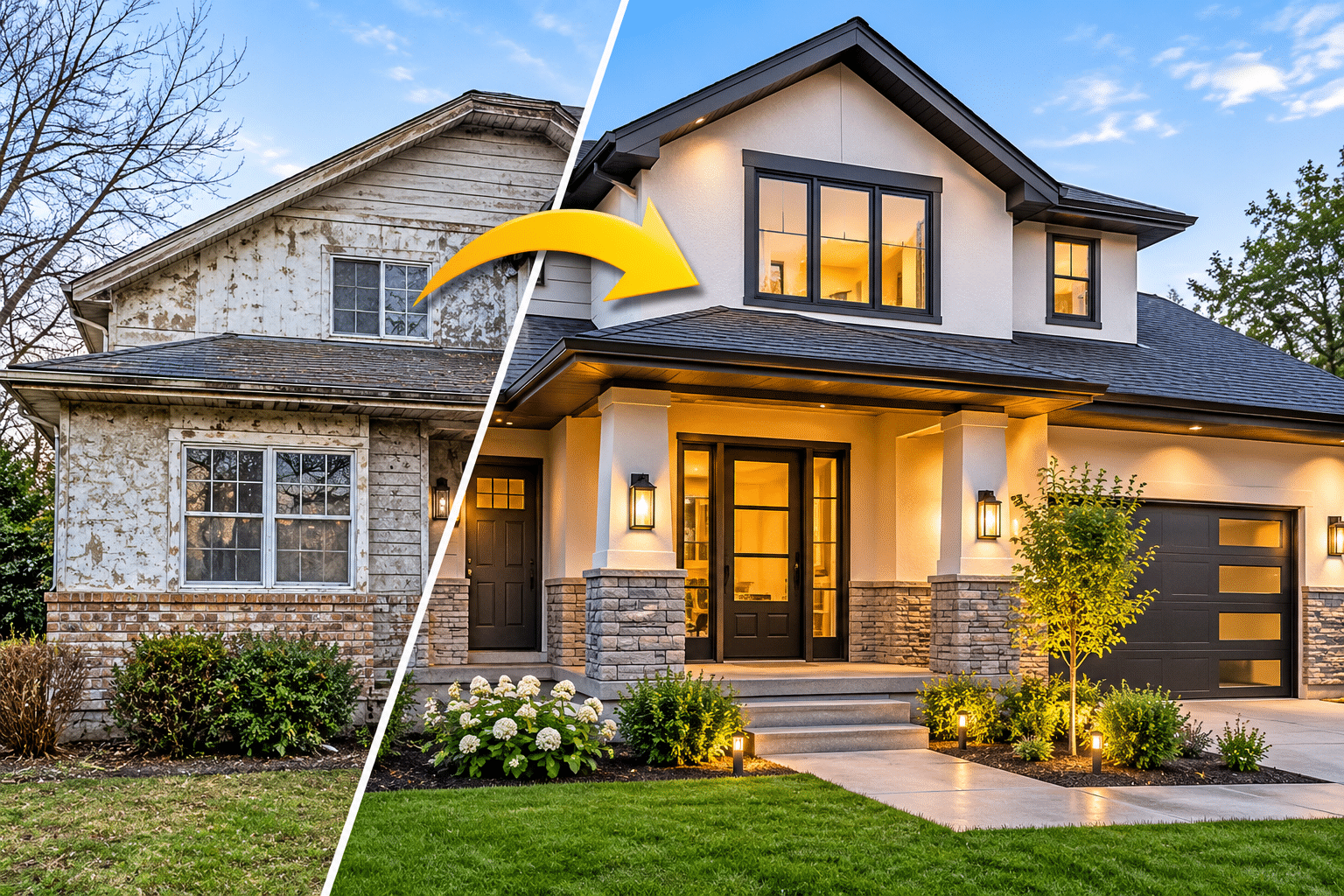
Buying another home or improving an existing property is a major decision for any homeowner. A growing family, outdated interior, limited storage, or changing lifestyle can make an existing house feel less comfortable. However, moving to another property also involves planning, financial decisions, and adjustments to a new neighborhood. Many Texas homeowners face the same question: should they renovate their current home or move somewhere else? The answer depends on the property’s condition, household requirements, financial situation, and long-term goals. A well-planned Home Renovation can improve comfort and functionality without leaving a familiar neighborhood. On the other hand, moving may offer better opportunities when the existing property cannot meet important needs. Understanding the advantages of both options can help homeowners decide with confidence.
1. Evaluate Your Current Home’s Condition
First, understand what makes your current home unsuitable for your needs. Some properties only require updated interiors, better storage, or improved room layouts. Other homes may have structural concerns, aging systems, or space limitations that require more extensive work. A property with a sound structure and a suitable location can be a strong candidate for renovation. Homeowners can update outdated rooms, improve lighting, replace worn materials, and create more functional living areas. However, serious foundation problems, extensive water damage, or major structural concerns require professional evaluation before renovation decisions. Moving may become a more practical option when the required improvements are extensive or unsuitable for the property.
2. Compare the Financial Impact of Renovating and Moving
Financial planning plays an important role when deciding between renovation and relocation. Moving involves more than purchasing another property. Homeowners may need to account for selling expenses, closing costs, inspections, moving services, and other transaction-related expenses. Renovation also requires careful financial planning. The total investment depends on the project’s size, material selections, labor requirements, and construction complexity. Homeowners should compare the complete renovation scope with the expected expenses of selling and purchasing another home. Existing mortgage terms also deserve attention. Moving could mean taking out a new mortgage with different interest rates and monthly payments. Keeping an existing property may help homeowners avoid changing favorable financing arrangements. The right decision comes from comparing realistic estimates rather than focusing on one expense alone.
3. Consider Kitchen Renovation Before Moving
An outdated kitchen can make an otherwise comfortable home feel less practical. Limited cabinets, inefficient layouts, damaged countertops, and older appliances can affect everyday cooking and family activities. Fortunately, homeowners can explore different Kitchen Renovation Ideas to improve their existing space. Modern cabinets, durable countertops, improved lighting, updated appliances, and better storage can transform an outdated kitchen. Small kitchens can also benefit from thoughtful design changes. The Small Kitchen Remodel Designs and Ideas guide explores practical ways to improve compact layouts and maximize available space. A professional Kitchen Remodeling Contractor can evaluate the existing layout and recommend suitable improvements. Homeowners can also explore Kitchen Remodeling Services to understand how professional planning, material selection, and construction can support a complete kitchen transformation. When the location and overall structure of a home are suitable, a kitchen renovation may provide the improvements homeowners need without relocating.
4. Upgrade Your Bathroom to Improve Everyday Comfort
An outdated bathroom can affect convenience, storage, and the overall appearance of a property. Poor lighting, limited storage, worn fixtures, and inefficient layouts can make daily routines less comfortable. A professional Bathroom renovation can address these problems through updated vanities, modern showers, improved ventilation, durable flooring, and better storage solutions. Small bathrooms also offer opportunities for practical improvements. Wall-mounted shelves, recessed niches, floating vanities, and mirrored cabinets can make better use of limited space. Homeowners can explore Ideas for Small Bathroom Storage for inspiration. A qualified Bathroom Remodeling Contractor can assess the existing layout and recommend suitable upgrades. The Bathroom Remodeling Services page provides additional information about professional bathroom improvement options. If the main problems involve outdated fixtures or limited functionality, renovating the bathroom may be more practical than searching for another property.
5. Think About Your Long-Term Space Requirements
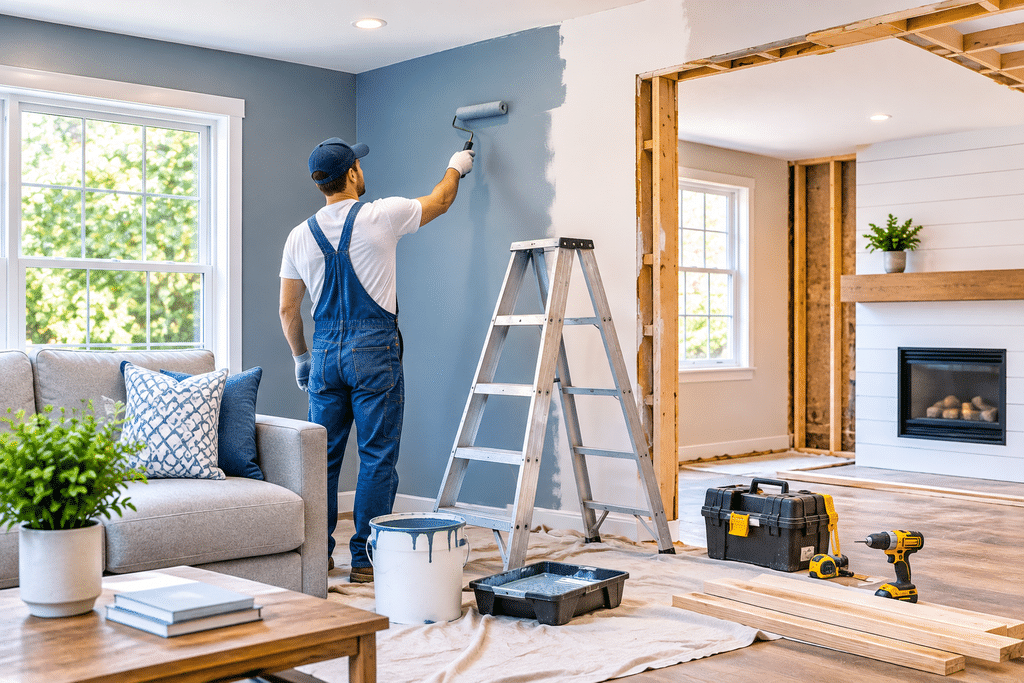
Lifestyle changes can influence whether renovation or moving makes more sense. Growing families may need additional bedrooms, larger living areas, or better storage. Homeowners who work remotely may also require a dedicated office or a more flexible floor plan. Some space-related problems can be addressed through renovations. Converting an unused room, improving storage, or changing an existing layout can make a property more functional. However, certain limitations cannot easily be corrected. A small lot, restrictive property layout, or insufficient outdoor space may prevent homeowners from achieving their desired results. A Home Remodeling Contractor can help evaluate available options and determine whether the existing structure can support the required improvements. Homeowners can also review Home Remodeling Services to explore different ways to improve their living spaces.
6. Consider Your Neighborhood and Location
Location is one of the most important factors when deciding whether to renovate or move. A comfortable neighborhood, convenient commute, nearby schools, and access to essential services can make a property worth keeping. Homeowners who enjoy their current surroundings may prefer improving their existing house instead of adjusting to a new community. Moving becomes more attractive when the location no longer supports household requirements. A longer commute, changing school needs, or a desire for a different environment may justify relocation. Before making a decision, consider which problems are related to the property and which are connected to its location. Renovations can improve a house, but they cannot change its neighborhood or geographical position.
7. Evaluate Construction Time and Daily Disruption
Renovation projects require time and coordination. Homeowners may experience noise, dust, limited room access, and temporary changes to their daily routines. The disruption depends on the renovation scope. Updating one bathroom or kitchen may allow the household to continue using other areas of the property. A complete home renovation may require temporary accommodation. Moving also involves preparation, packing, transportation, inspections, and settling into another property. Homeowners should compare the time and inconvenience associated with both options. Discuss the expected project schedule with a professional contractor before starting construction. A clear plan can help homeowners prepare for temporary disruptions and understand the different stages of renovation.
8. Work With Experienced Remodeling Professionals
Choosing qualified professionals is essential when renovation becomes the preferred option. Homeowners should review previous projects, verify relevant qualifications, understand insurance coverage, and request detailed written agreements. A reliable contractor should explain the proposed work, material selections, project responsibilities, and expected timeline. Clear communication also helps homeowners understand how unexpected construction issues will be addressed. Austin Remodeling Experts can help homeowners explore practical improvement options for different areas of their properties. Whether the project involves a kitchen upgrade, bathroom transformation, or larger interior renovation, professional planning helps bring design and functionality together.
Make the Right Decision for Your Texas Home
The choice between renovating and moving depends on property condition, financial priorities, location, and future household requirements. Renovation may be the better option when homeowners enjoy their neighborhood and can improve their existing property through practical upgrades. Moving may make more sense when the location, property size, or structural limitations prevent the home from meeting long-term needs. Before making a final decision, compare the full expenses, consider future requirements, and evaluate what each option can realistically achieve. Austin Remodeling Experts can help homeowners explore renovation possibilities and create living spaces that better support their lifestyles.
Frequently Asked Questions
1. Is it better to renovate or move to a new house?
The better option depends on your financial situation, property condition, location, and lifestyle requirements. Renovating may be suitable when your current home meets your location needs but requires functional or design improvements. Moving may be better when the property cannot meet your long-term requirements.
2. How do I know if my house is worth renovating?
Consider the structural condition, location, available space, and improvements needed. A property with a sound structure and a suitable layout may be worth renovating. A professional inspection can help identify major problems before you commit to construction.
3. Is renovating cheaper than buying a new house?
Renovating can be less expensive than moving when the required improvements are manageable. However, major structural changes or extensive remodeling can become expensive. Compare renovation estimates with selling expenses, closing costs, moving expenses, and the financing requirements of another property.
4. What renovations add the most value to a home?
Kitchen upgrades, bathroom improvements, updated flooring, better lighting, and functional storage can improve a home’s appeal. The results depend on renovation quality, local market conditions, and the property’s existing features.
5. Should I renovate before selling my house?
Selected improvements may make a property more attractive to potential buyers. However, extensive renovations do not always recover their full investment. Consider the home’s condition, buyer expectations, and advice from a local real estate professional before starting major work.
6. How long should I stay in my home after renovating?
There is no fixed period. The decision depends on your renovation goals, financial situation, and future plans. Homeowners who intend to stay longer may prioritize comfort and functionality, while those planning to sell sooner may focus on improvements that appeal to potential buyers.
7. Can I renovate my kitchen and bathroom at the same time?
Yes. Both projects can be planned together as part of a larger home improvement project. Coordinating the work may help maintain consistent design choices and organize construction activities. However, homeowners should discuss scheduling, access to essential facilities, and project management before construction begins.