
You live in Texas — and Texas heat is not something your kitchen surfaces can ignore. High temperatures, intense sun exposure through windows, and the everyday heat of cooking all affect how your countertops look and perform over time. The wrong material can fade, crack, warp, or stain far faster than you expect. At JPS Remodeling, we help Austin homeowners choose the best countertop material for Texas heat every day. Here is what the data and experience say.
You want a surface that handles summer heat, UV exposure, and daily cooking without showing the wear. The good news is that several excellent options exist — and understanding each one helps you make a confident, informed decision.
Why Does Texas Heat Affect Countertops Differently?
You might assume all countertops handle heat the same way. They do not. Texas homes experience heat challenges that differ from most of the country.
- Summer temperatures regularly exceed 100 degrees Fahrenheit — affecting surfaces near windows and outdoor kitchens
- Direct sun exposure through glass creates UV damage that fades and discolors certain materials over time
- Indoor cooking heat — from stovetops, ovens, and hot pans placed on surfaces — creates short bursts of intense, localized heat
- High humidity in parts of Texas combined with AC cycling creates expansion and contraction stress in some natural stone materials
You need a material that handles all of these factors — not just one. Let us evaluate the top options side by side.
Is Granite Still a Good Choice for Texas Kitchens?
Granite is one of the most heat-resistant natural stone countertop materials available. You can place a hot pan directly on granite without damaging the surface — it tolerates heat up to 480 degrees Fahrenheit and beyond. That makes it an excellent choice for Texas kitchens where cooking is a daily priority.
However, granite is porous. You should seal granite countertops annually to protect against staining — particularly important in Texas homes where BBQ sauces, salsa, and acidic foods are kitchen staples. The maintenance commitment is real, and you need to be prepared for it.
Granite also varies significantly in quality and thickness. Thicker slabs from reputable suppliers hold up far better in Texas heat and humidity than thinner, budget-grade material.
How Does Quartz Perform in the Texas Heat?
Quartz is the most popular countertop material in Austin right now — and for good reason. It combines the look of natural stone with superior consistency, easier maintenance, and strong resistance to everyday kitchen stress.
- Non-porous surface — no sealing required, resists staining from food and liquids
- Consistent color and pattern throughout — no natural variations that could cause visual inconsistency over time
- Resists scratches and moderate heat well under normal kitchen use
- Available in marble-look, concrete-look, and solid-color finishes popular in Austin modern kitchens
There is one important limitation to know about quartz in Texas heat. The resin binders in engineered quartz can discolor or crack under sustained high heat — particularly in outdoor kitchens or areas with direct, prolonged sun exposure through large windows. You should always use a trivet or hot pad when placing cookware directly from the stovetop or oven.
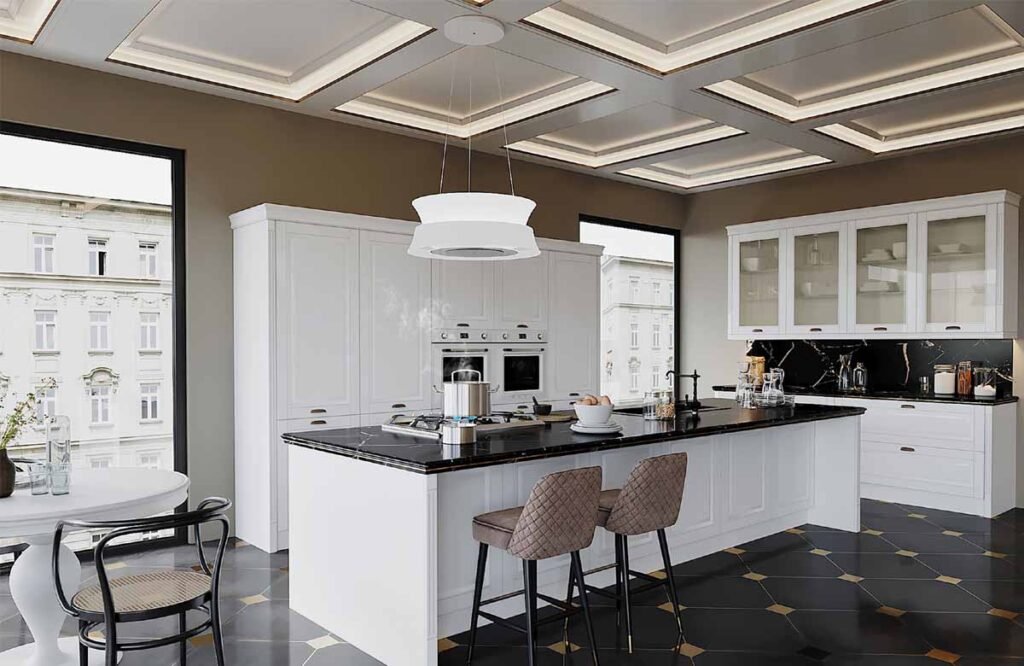
Our team at JPS kitchen renovation experts works with premium quartz brands that use higher resin-to-quartz ratios specifically formulated for better heat performance. Your material choice matters, and so does the source.
Should You Consider Porcelain Slab Countertops in Texas?
Porcelain slab countertops are one of the fastest-growing options in Texas kitchens right now — and for excellent reasons. You get a surface that outperforms most materials in direct heat resistance.
- Porcelain is fired at extremely high temperatures during manufacture — it tolerates direct heat from hot pans without damage
- UV-stable — does not fade or discolor in direct sun exposure, making it ideal for Texas homes with large windows or outdoor kitchens
- Non-porous and stain-resistant with no sealing required
- Available in large-format slabs with minimal seams for a seamless, high-end look
The main challenge with porcelain is installation complexity. It is thinner and more brittle than granite or quartz during fabrication — it requires experienced installers with the right tools and technique. You should never allow an inexperienced contractor to install porcelain slab countertops.
What About Concrete Countertops in Texas Heat?
Concrete countertops have strong aesthetic appeal — particularly in modern and industrial-style Austin kitchens. But you should understand both their strengths and limitations in a Texas climate before committing.
Concrete handles heat well when properly sealed. The challenge is that Texas heat and humidity cycles create expansion and contraction stress in concrete over time. Hairline cracks are common, particularly in large, unsupported spans. You should expect concrete countertops to require periodic re-sealing and occasional crack repair as part of normal maintenance in this climate.
Concrete is best treated as a design-forward choice for homeowners who accept its maintenance requirements — not as a low-maintenance surface.
What Do Experts Recommend for Outdoor Kitchens in Texas?
Outdoor kitchens are extremely popular in Austin and across Texas — and they demand countertop materials specifically suited for full outdoor exposure.
- Granite — excellent outdoor choice, handles heat and weather well when properly sealed annually
- Porcelain slab — the top expert recommendation for outdoor kitchens due to UV stability and heat tolerance
- Quartzite — a natural stone option with better heat resistance than manufactured quartz, suitable for outdoor use
- Avoid quartz (manufactured) and laminate outdoors — both degrade significantly under sustained UV and heat exposure
According to material science data through Wikipedia’s countertop material reference and industry guides, porcelain and granite consistently rank highest for heat and UV resistance in outdoor and high-heat residential applications. The data aligns with what Austin remodeling specialists observe in the field.
Which Countertop Material Is Right for Your Austin Kitchen?
You now have a clear view of how the top countertop materials perform in Texas heat. Here is the short summary to guide your decision:
- Best overall for indoor kitchens — quartz (premium brands) for low maintenance and consistent style
- Best heat resistance for indoor use — granite for households that cook heavily and do not mind annual sealing
- Best for outdoor kitchens and high-UV areas — porcelain slab
- Most design-forward but highest maintenance — concrete
Your budget, your cooking habits, your exposure to direct sun, and your maintenance preferences all factor into the right choice for your specific home and lifestyle.
Get Expert Countertop Guidance from Austin’s Kitchen Renovation Specialists
You deserve a countertop that holds up beautifully in Texas heat for years — not one that needs replacing in five. At JPS Remodeling — Austin’s licensed expert kitchen and home remodeling specialists, we help you select, source, and install the right countertop material for your home, your climate, and your style. We work with premium suppliers and our team has the experience to install even the most complex materials correctly.
Stop guessing at materials. Contact JPS Remodeling today for a free kitchen consultation and let our experts guide you to the best countertop choice for your Austin home.